Leaf
In brief
A leaf brings together light capture, gas exchange and transport. In a typical green leaf, chloroplasts in the mesophyll use light energy to build organic compounds from carbon dioxide. Water reaches the leaf through vascular tissue, while sugars can move to other parts of the plant. A leaf is therefore a working organ, not merely a flat surface. [5]
Evidence for this statement
Source-based explanation
Where to check this statement
- biology59-leaves
- Structure of a Typical Leaf; Leaf Structure and Function; Leaf Adaptations
Save, investigate and check this version
Editorial draft · human review pending
Ask about this materialOn this page
What a leaf does

Structure and function
Evidence for this statement
EcoGenesis
- Epidermis and stomata
- Surface protection and gas exchange
- Mesophyll
- Chloroplast-containing internal cells
- Veins
- Water supply and transport of products
Blade, veins and tissues
A blade provides the exposed surface; a petiole attaches many leaves to the stem. Veins contain xylem for water and minerals and phloem for transporting photosynthetic products. The epidermis forms the outside, while palisade and spongy mesophyll describe different arrangements of internal cells. Their chloroplasts connect leaf anatomy with photosynthesis.
[5]Evidence for this statement
EcoGenesis
Where to check this statement
- biology59-leaves
- Structure of a Typical Leaf; Leaf Structure and Function; Leaf Adaptations
Gas exchange and water loss
The cuticle helps limit water loss from the surface. Stomata are pores controlled by pairs of guard cells; gases exchange through them, and water vapour can leave. Air spaces in the spongy mesophyll connect this exchange with internal cells. These features help explain the balance between access to carbon dioxide and retention of water.
[5]Evidence for this statement
EcoGenesis
Where to check this statement
- biology59-leaves
- Structure of a Typical Leaf; Leaf Structure and Function; Leaf Adaptations
From organ to cell
A leaf can be explored at several levels. First comes the shape of the whole organ, then a tissue and a particular cell type. These are different descriptive objects: a leaf record does not replace a cell record, even when both appear in one reading route.
[1]Reading a part-of relationship
In Plant Ontology, a part-of relationship places a structure within another structure. Palisade cell, palisade tissue and leaf remain separate concepts. This relationship helps explain organisation but does not supply cell counts, tissue thickness or a particular leaf’s size.
[1]Image and specimen
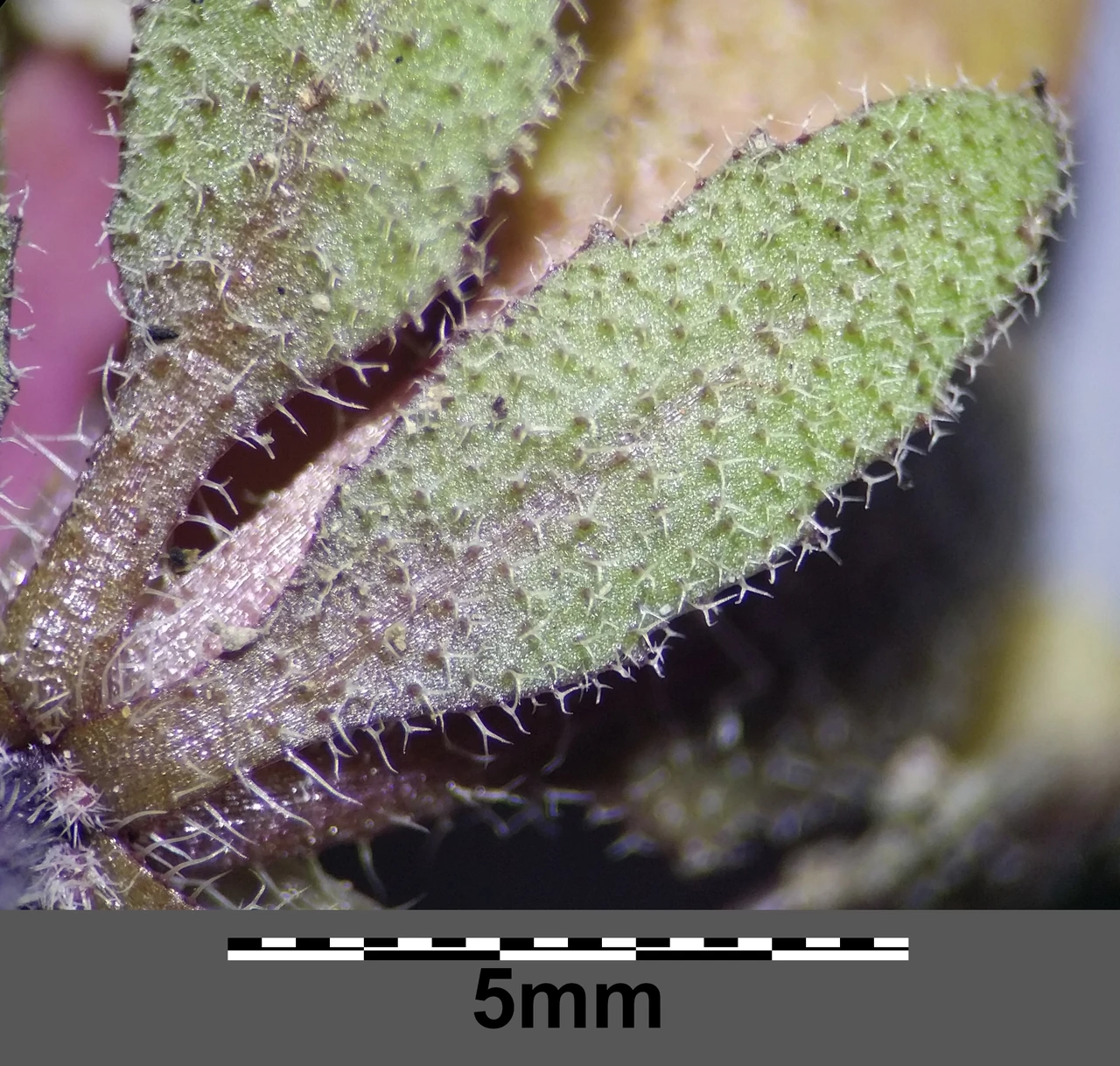
A whole-leaf photograph and an optical section answer different questions. Use the first to examine the outline and the second to examine structures actually visible with its imaging method. Transferring a measurement requires a scale and the same source specimen; similar appearance does not establish that correspondence.
[2] [4]Evidence for this statement
Explanation of retained sources
Connected concepts
Spruce needles
Needles provide an accessible starting point for exploring a spruce. Picea abies typically has four-sided needles about 1–2.5 cm long.
[3]Evidence for this statement
Source-based explanation
Continue with an organism
The photographs and molecular record come from separate source materials.
Your research question
Save the article to return to your question and this source version.
Plan a test
This is your research plan. Completing these fields does not confirm a hypothesis.
Sources and versions
Editorial draft · human review pending
- Plant Ontology · 2026-01-09
2026-09-04 · CC-BY-4.0
Provenance and original
- Source version
- 2026-01-09 / f5e2a95d88fe08af22f49e522cc78481d990a0b0
- Arabidopsis thaliana basal leaf; photographed 14 April 2021
Retrieval date unknown · CC BY-SA 4.0
Provenance and original
- Original SHA-256
- 4c0da1e60a566728712e6443d8dfa11d4f4cd0084a0ef454d1262a3cdf05fa39
- Processing
- Resized and encoded as WebP; original 5 mm scale retained.
- Caudullo, Tinner & de Rigo · Picea abies in Europe · p.114
2026-09-06 · Reuse permission unverified
Provenance and original
- Source version
- 2016
- Arabidopsis thaliana Col-4, leaf 6, 19 days after initiation; Figure 2a, mature palisade mesophyll
Retrieval date unknown · CC BY 2.0
Provenance and original
- Original SHA-256
- 5510c5c1dba4162b182eed9ae054d2e97c25cc529740a5125ffcb1fd1c001b3c
- Processing
- Mature palisade panel extracted from Figure 2a; encoded as WebP. The shared scale bar is outside this panel and remains available in the full source figure.
- Clark, Douglas & Choi · Biology 2e · 30.4 Leaves
2026-10-01 · Terms of use on source site
Provenance and original
- Source version
- Selected web passages checked 2026-10-01; no immutable response edition asserted
- Source reading scope
- Named background passages only; not new experimental evidence.
- Location in the original source
- Structure of a Typical Leaf; Leaf Structure and Function; Leaf Adaptations
Inspect structured data
- Content version
- dd109a8c566c5e7a9633ae64602e7538bdebfda22dd46cdcb44e62e7e476039a
- Source version
- knowledge-20260909.1
- Updated
- 2026-10-01