01
Find a living thing
Explore animals, plants, fungi and microorganisms. Search a name or browse the full organism catalogue.
Browse organisms →ECOGENESIS · Encyclopedia and tools
Find an organism, explore its classification and follow the sources. Connect organisms with observations, publications, genomes and proteins.
Try “Panthera leo”, “Quercus robur” or “Octopus vulgaris”.
Catalogue entries connect names to sources and available evidence. They are not all written species articles.
01
Explore animals, plants, fungi and microorganisms. Search a name or browse the full organism catalogue.
Browse organisms →02
Choose a place, species or time period on the map, then open the published observation records.
Explore the map →03
Browse UniProtKB proteins and NCBI genes, filter by organism and follow an exact source record.
Browse genes and proteins →Arabidopsis is our first connected learning example. Continue through leaves and photosynthesis, or explore other organisms in the catalogue.
Follow the FLC example: AT5G10140 · FLC → · Q9S7Q7 →
2,176,557 species in the classification · search the entire catalogue
Editorial draft · species
Norway spruce, Picea abies, is an evergreen conifer in the pine family, Pinaceae.
Read the overview · Inspect its sources
Editorial draft · species
The lion is a large social cat. Its groups, called prides, defend territories and share the care of young.
Read the overview · Inspect its sources
Editorial draft · species
Fly agaric is a mushroom-forming fungus associated with tree roots. Its familiar red cap is only the visible part of this partnership.
Read the overview · Inspect its sources
Editorial draft · kingdom
Mosses, ferns, conifers and flowering plants illustrate the diversity of land plants. Their life cycles alternate between a spore-producing generation, the sporophyte, and a gamete-producing generation, the gametophyte. The developing embryo receives protection and nourishment from the maternal gametophyte. The size and prominence of these generations differ among groups.
Read the overview · Inspect its sources
Editorial draft · kingdom
Animals are multicellular eukaryotes obtaining organic nutrition from other organisms or their remains. Their cells lack cell walls. Most animals have specialized tissues, but sponges show why a familiar arrangement of organs cannot be assumed for every animal. Mobility often changes during life; a larva and an adult can differ substantially.
Read the overview · Inspect its sources
Editorial draft · species
White spruce, widely known as Picea glauca, is a North American conifer in the pine family, Pinaceae.
Read the overview · Inspect its sources
Classification, relationships, genomes and proteins — choose what you want to explore.
 LibraryRead about organisms, structures and processes, then continue to lessons and source records.
 TaxonomyFollow the classification from broad groups to a particular organism.
 PhylogenyExplore evolutionary relationships and their sources.
 AnatomyExplore structures at different biological scales.
 Map of lifeExplore natural distribution, habitats and species articles through an illustrated world map.
 GraphSee how scientific records and sources connect.
 SamplesFind a sample and follow its sequences and source records.
 Trait AtlasExplore organism traits and the evidence behind them.LearnFollow a question from an explanation to a scientific record.
 PublicationsRead bibliographic records and follow their original sources.
 CommunityRead moderated questions and their scientific sources.
 GenomesExplore genome assemblies, genes and sequence coordinates.SequencesOpen a sequence and its available annotations.
 ProteinsRead protein sequences, domains and available structures.
From curiosity to understanding
01
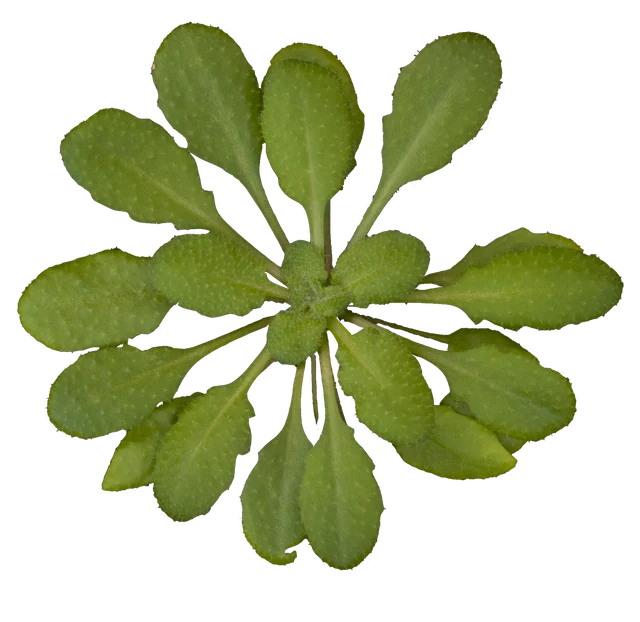
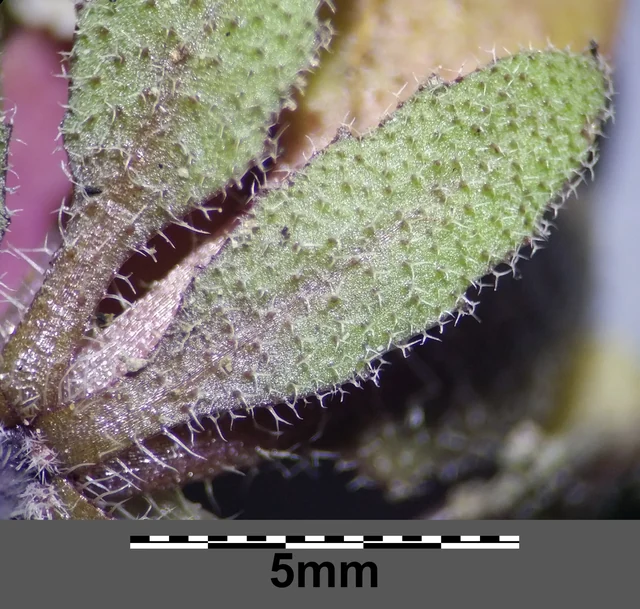
From a visible character to leaf structure.
02
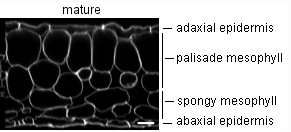
How light supports the synthesis of organic compounds.
03
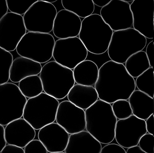
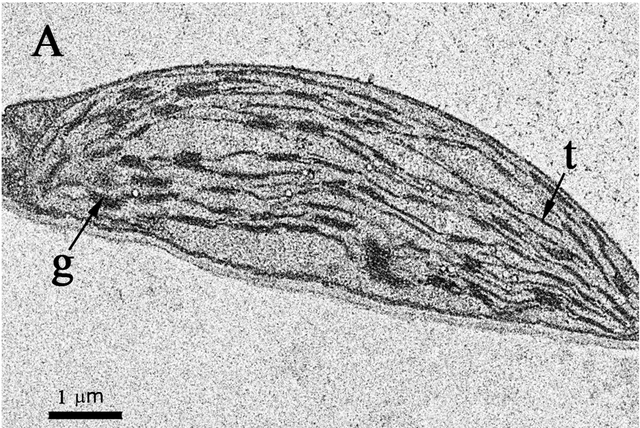
Explore a micrograph and continue to molecules.
04
An exact sequence, annotations and the UniProt original.
Explore Arabidopsis from a plant to a chloroplast. The photographs and micrographs show different specimens from separate studies; each image retains its own source.
Explore scientific source records and ask questions about encyclopedia materials.
Save organisms and learning materials in your account and return to them later.